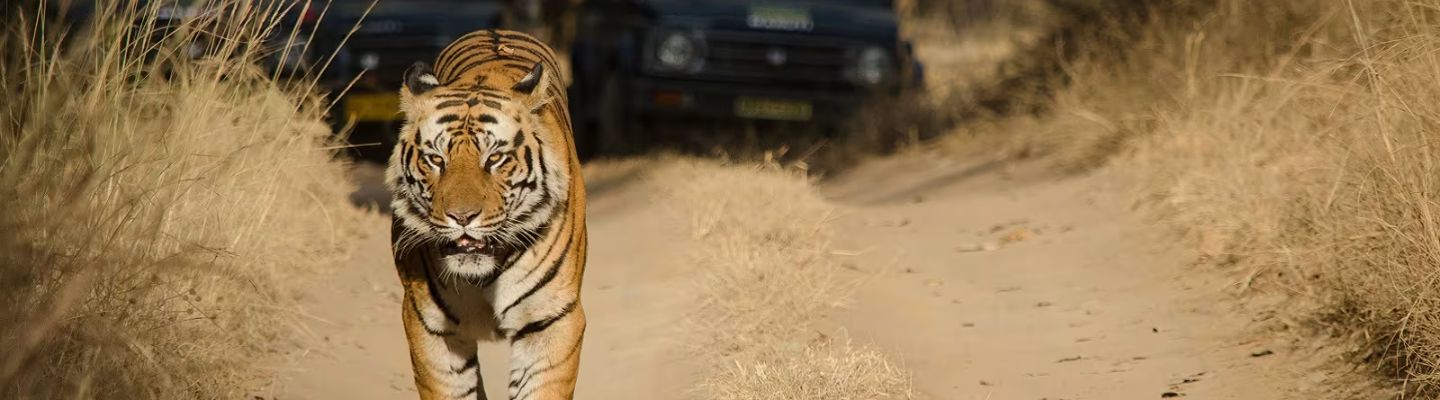
Kanha National Park, one of India’s largest and most well-managed tiger reserves, is a pristine wilderness in the heart of Madhya Pradesh. Spread across the Maikal range of the Satpuras, its lush sal and bamboo forests, grassy meadows (maidans), and serene streams are the inspiration for Rudyard Kipling’s classic, The Jungle Book. Renowned for its successful conservation of the endangered Hardground Barasingha (Swamp Deer) and a healthy population of Royal Bengal Tigers, Kanha offers an unforgettable wildlife experience.
Wildlife & Key Species
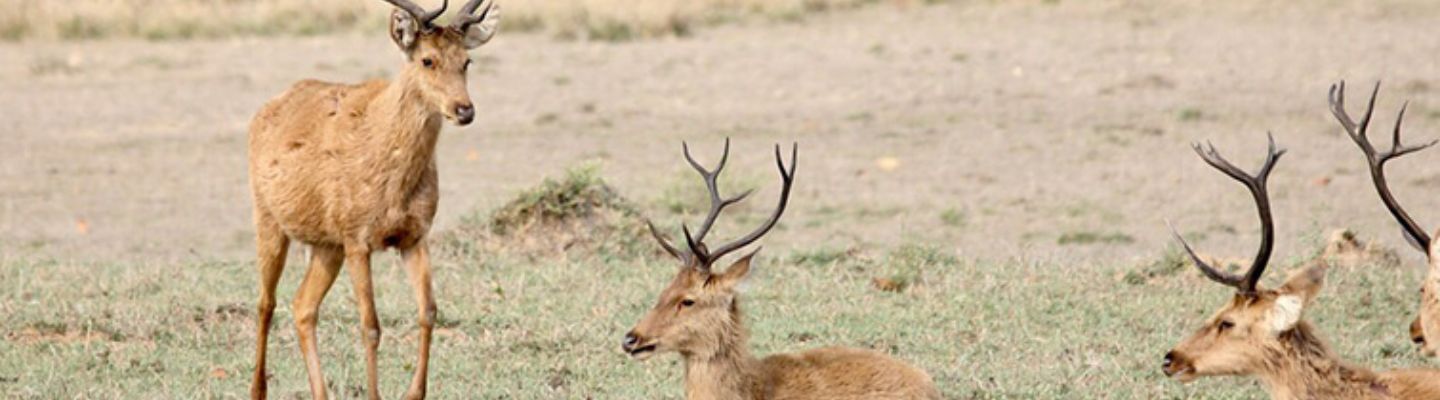
Kanha is a biodiversity hotspot. It is most famous for being the last refuge of the Hardground Barasingha, a deer species saved from the brink of extinction here. The park is a stronghold for the Royal Bengal Tiger, Indian leopard, wild dog (Dhole), and sloth bear. Commonly sighted herbivores include the gaur (Indian bison), sambar, spotted deer, and barking deer. Over 300 species of birds, including the crested serpent eagle, black-hooded oriole, and various raptors, make it a birdwatcher's paradise.
Safari Zones & Experience
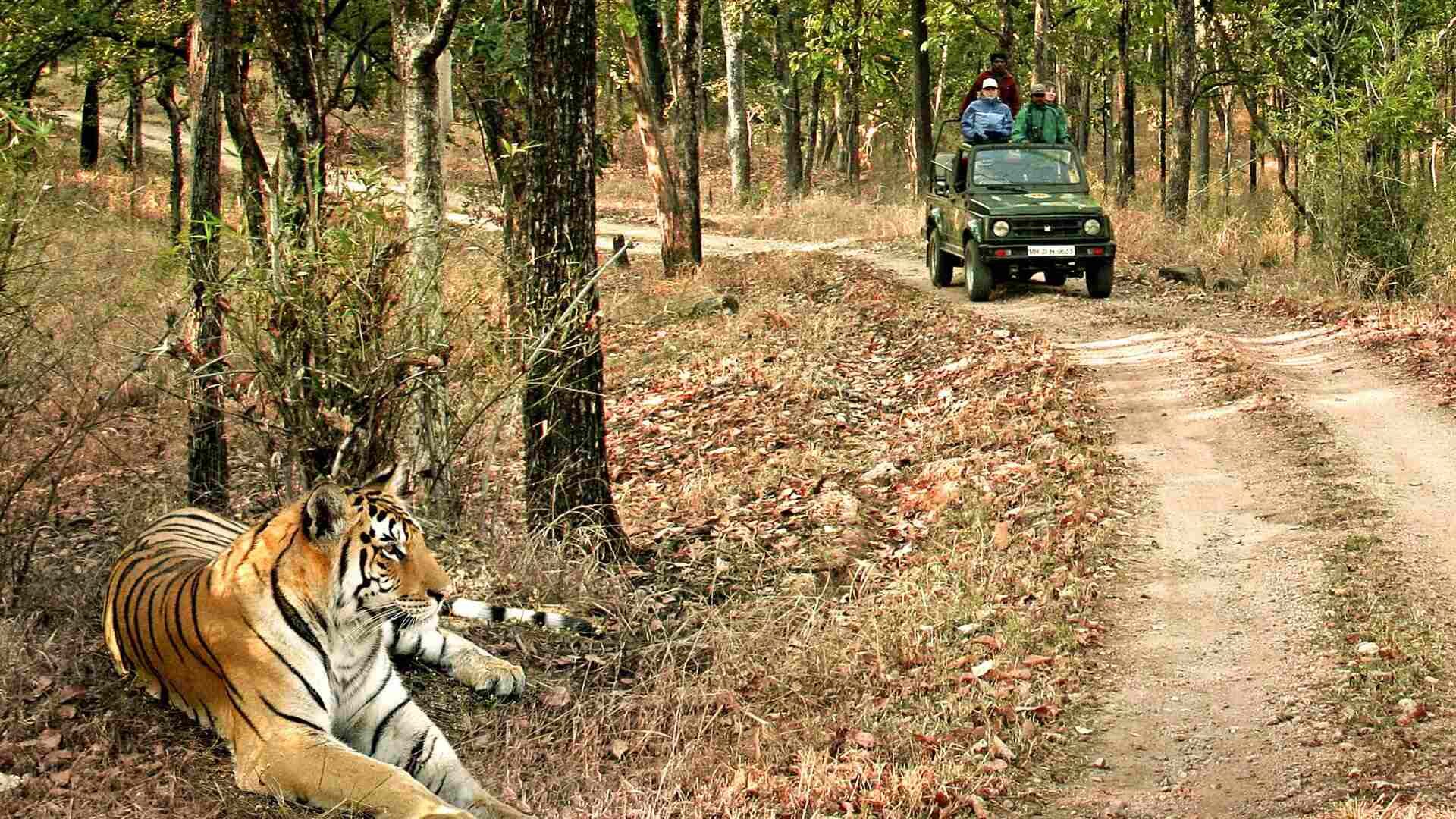
Kanha is divided into multiple safari zones: Kisli, Mukki, Kanha, and Sarhi. Jeep safaris (Gypsy) and, in some zones, elephant safaris, are conducted in the early morning and late afternoon the best times for wildlife activity. The iconic Bamni Dadar (Sunset Point) offers panoramic views of the park, especially beautiful at dusk. Trained naturalists accompany visitors, sharing insights into animal behavior and the park's ecology.
Kanha Meadows: Wildlife Viewing Hotspots
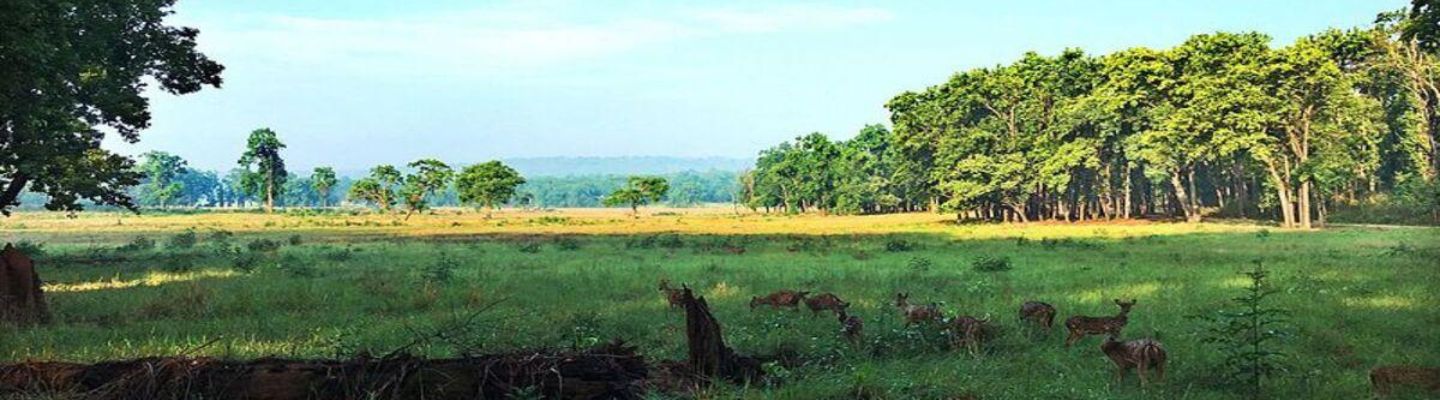
The expansive grassy meadows, such as Kanha Meadow, Saunf Meadow, and Bishanpura Meadow, are crucial grazing grounds and offer some of the best wildlife sightings. These open areas allow clear views of deer, gaur, and often, predators on the hunt. They represent a carefully maintained habitat, a testament to Kanha's scientific management.
Conservation Success: The Barasingha Story
Kanha is globally celebrated for rescuing the Hardground Barasingha from a precarious population of just 66 in 1970 to over 800 today. This success is achieved through dedicated habitat management, controlled burning of grasslands, and protection from poaching. The park serves as a model for species-specific conservation worldwide.
Things to Do in & Around Kanha
Beyond safaris, visit the Kanha Museum to learn about the park's ecology and tribal culture. Nature walks in the buffer zones, bird watching, and village visits to understand the local Baiga and Gond tribes' way of life are enriching experiences. Evening cultural programs often feature traditional tribal dances.
Best Time to Visit Kanha
The park is open to visitors from October to June. The ideal time for wildlife viewing is from April to June, when animals congregate around water sources, though temperatures are high. The pleasant winter months (November to February) are perfect for birding and comfortable safaris. The park remains closed during the monsoon season (July to September).
How to Reach Kanha National Park
-
By Air: Nearest airports are Jabalpur (160 km), Raipur (250 km), and Nagpur (270 km). Connect by taxi or bus to the park gates (Kisli/Mukki).
-
By Train: Nearest major railway stations are Jabalpur and Gondia. Both are well-connected to major cities. Taxis are available from the station to the park.
-
By Road: Well-connected by road to Jabalpur, Nagpur, and Raipur. State-run and private buses, as well as taxis, are readily available.
Essential Travel Tips
-
Book safari permits and accommodation online months in advance, especially for peak season (April-June & holidays).
-
Follow all park rules: do not litter, make noise, or get down from the vehicle during the safari.
-
Wear camouflage or earthy-colored clothing (browns, greens) to blend in. Avoid bright colors.
-
Carry binoculars, a good camera with a zoom lens, sunscreen, a hat, and a light jacket for morning safaris.
-
Respect wildlife. Maintain silence to increase your chances of sightings and not disturb the animals.
-
Stay at forest rest houses or eco-friendly resorts in the buffer zones for an immersive experience.